Croatia’s Regions on One Map: Why It Matters Whether You Look in Istria, Kvarner or Dalmatia
Anyone thinking about Croatian coastal property for the first time often finds that the coast is treated as a single unit: “Croatia”. Yet the coast consists of several distinct regions, and it helps a great deal in making a decision to know which region we are talking about. This article gives an overview: on one map, in broad strokes, step by step. It is not a property offer but an orientation.
Summary
- The Croatian coast can be roughly divided into three regions: Istria, Kvarner and Dalmatia.
- Dalmatia can be split into northern, central and southern parts.
- This division is for orientation, not an official administrative boundary.
- Senj belongs to the Kvarner region.
- This is an overview, not a property offer.
How to think about the coast
Going from north to south, the Croatian coast can be divided roughly into three large regions: Istria, Kvarner and Dalmatia. The tourism division usually splits Dalmatia further into northern, central and southern parts, which the official map does not name in the same way everywhere. The division below is for orientation; it is not an official administrative boundary.
Istria
Istria is the western coast of the peninsula, with historic small towns: Umag, Poreč and Rovinj are among the best known. The region’s largest city is Pula. The interior also has hill towns, for example Motovun and Grožnjan.
Read more: Weather Warnings in Croatia: Four Colours and Coastal Wind Alerts for Six Adriatic Areas →
Kvarner
The Kvarner Bay lies east and south of Istria. Opatija is known as Croatia’s oldest tourist resort, and among the islands Rab and Lošinj are popular. The area around Rijeka belongs here, as does Senj, where the Velebit mountains reach directly down to the sea; we wrote about it in a separate article: Senj: Where the Velebit Meets the Adriatic.
Northern Dalmatia
This includes Zadar and Šibenik, the Kornati Islands, and Paklenica and Krka National Parks. The island of Pag and Novalja are also known for their summer nightlife.
Central Dalmatia
Its centre is Split. It includes the Makarska Riviera (Makarska, Brela, Omiš, Baška Voda), Trogir, and islands such as Hvar, Brač, Čiovo, Šolta and Vis.
Southern Dalmatia
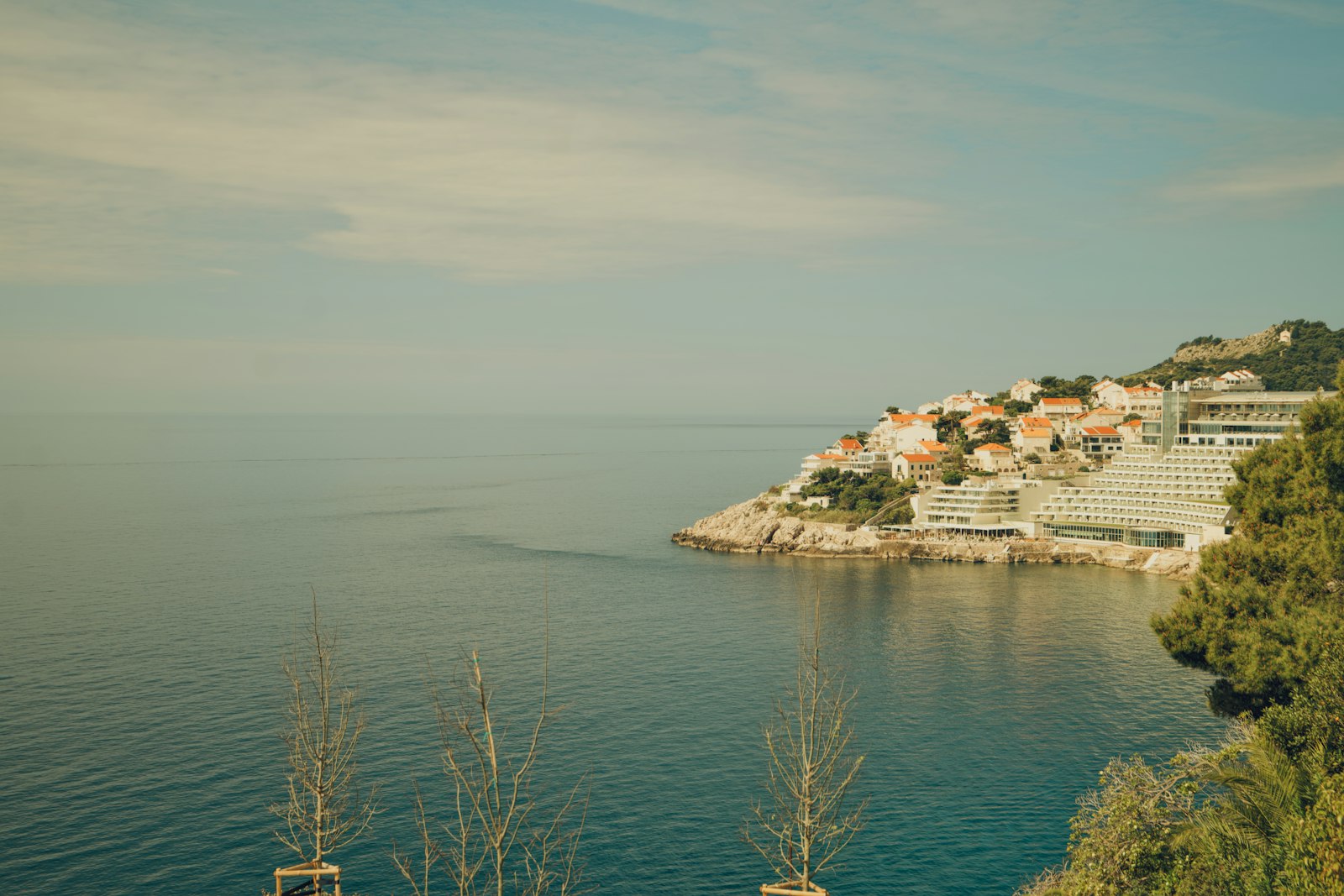
The region’s best-known city is Dubrovnik. Among the islands, Korčula and Mljet belong here.
What this division is good for
Whether a region is closer to Budapest, how touristy it is, or how quiet, depends on your own goals: whether it will be a second home, whether you will let it out, or whether you mainly want to relax. It is worth deciding this first and only then searching for property. Our further articles about the regions will be added here as they are completed, and the guides on Croatia are already available (in Hungarian): the steps of buying, the rules of letting and tax and reporting questions when selling.
The list of regions is for orientation; the final choice is decided by the property offering and your own goals. Buying property abroad is a big decision, and there is no need to rush it. If you have a question, write to us: we will guide you from the first question to the handover of the keys, and you are not alone.
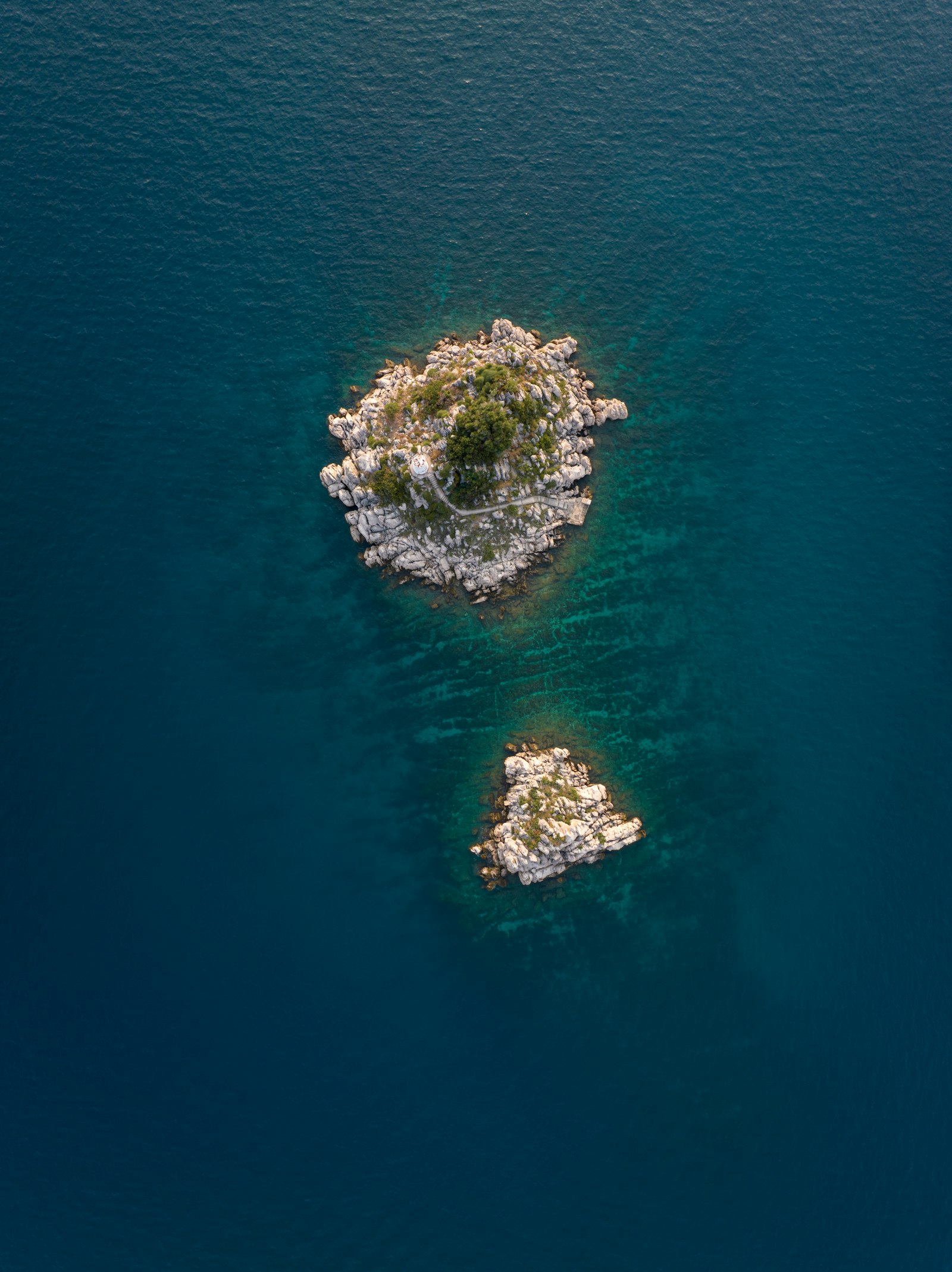
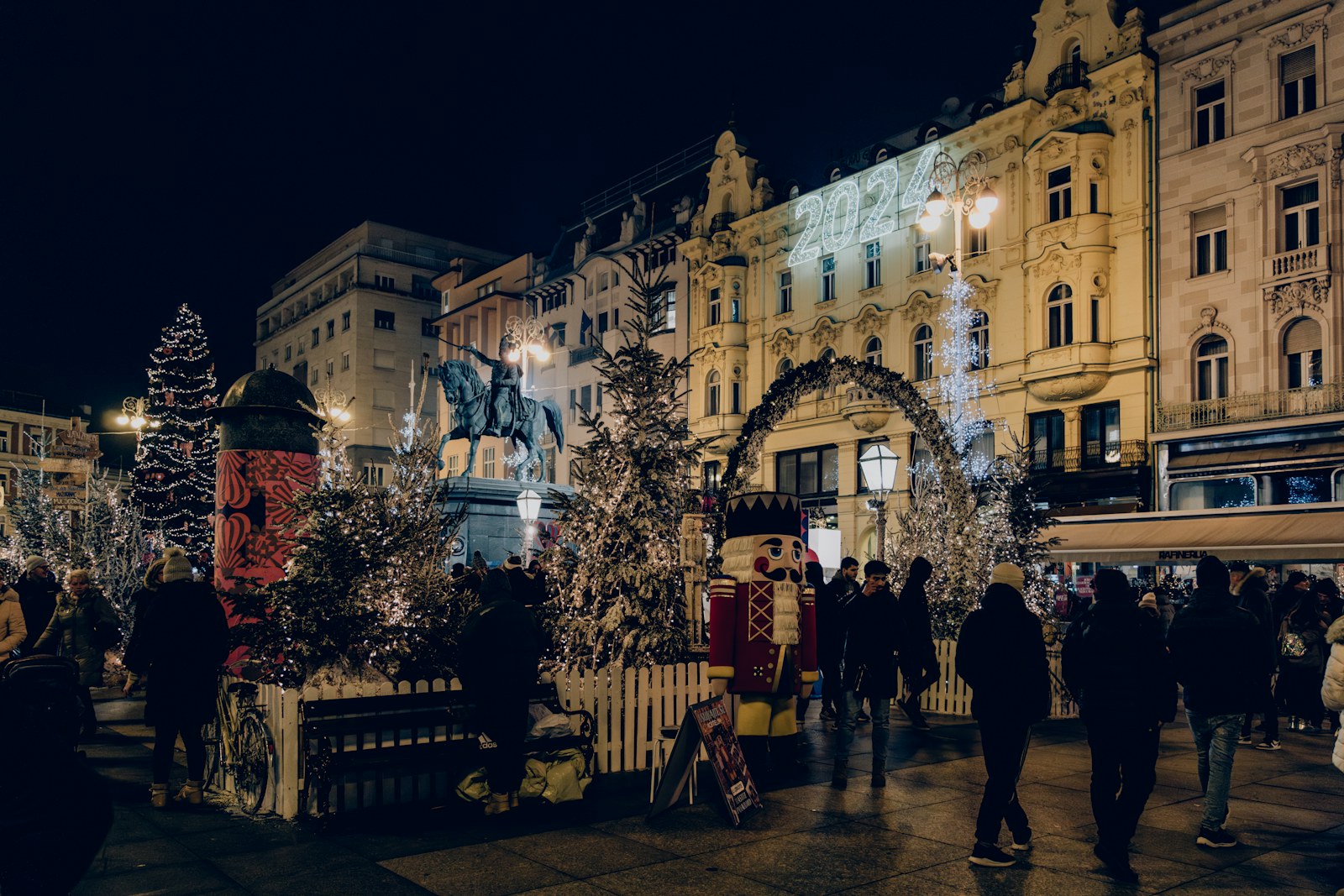
Photo: Matic / Unsplash. Source: Croatian tourism, Wikipedia (overview of the regions and places).
Click here to fill in the contact form
You may also like: Croatia
 Weather Warnings in Croatia: Four Colours and Coastal Wind Alerts for Six Adriatic Areas
 Winter Driving to the Coast or the Slopes: Winter Equipment Is Mandatory in Croatia from 15 November
 Mobile and Internet Contracts in Croatia: You Can Cancel the Same Way You Signed Up – What Else to Know
 An Advent Weekend Towards the Sea: Zagreb and Rijeka from 28 November