

Mediterranean Coastal Property: Greece, Italy, and Spain Compared
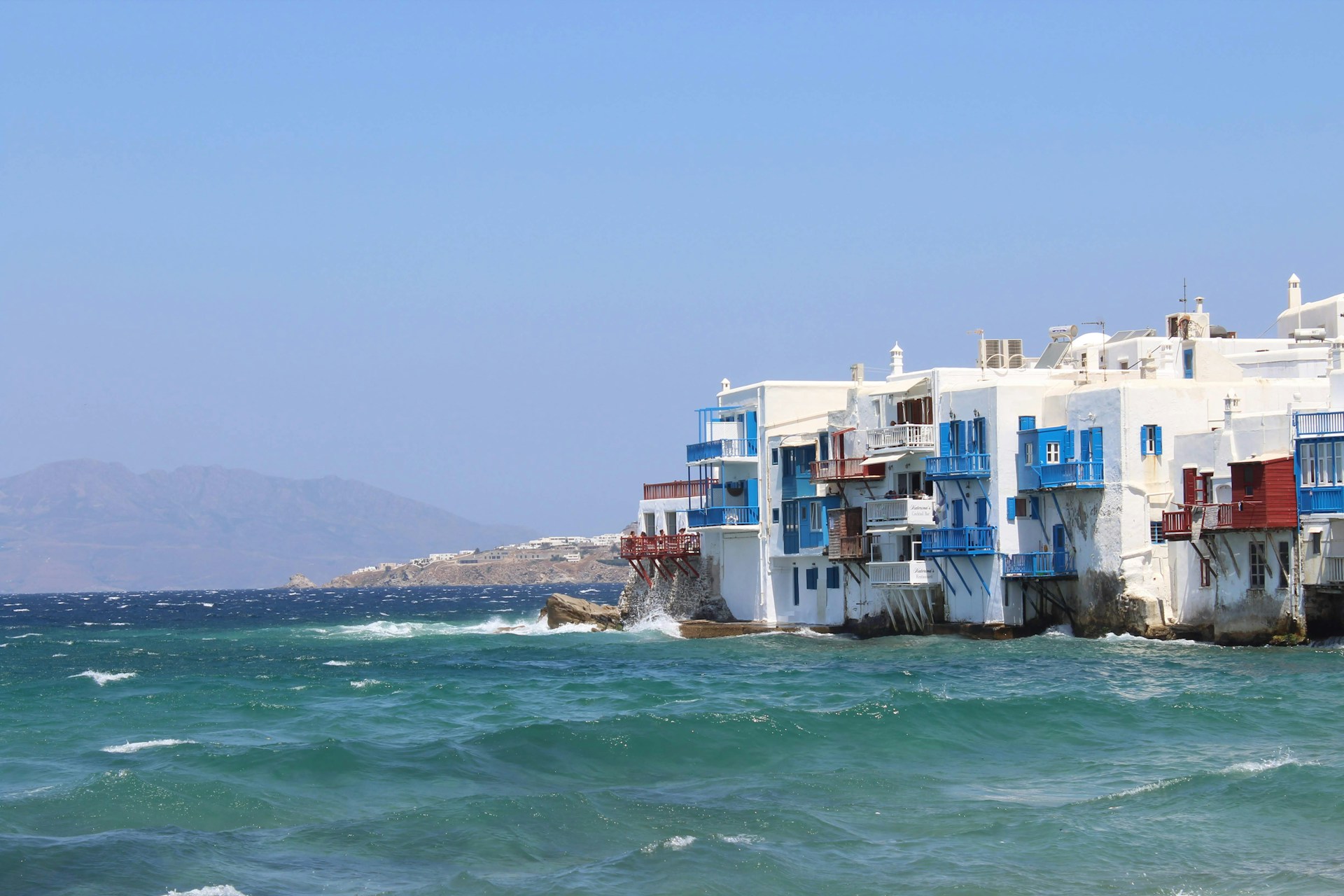
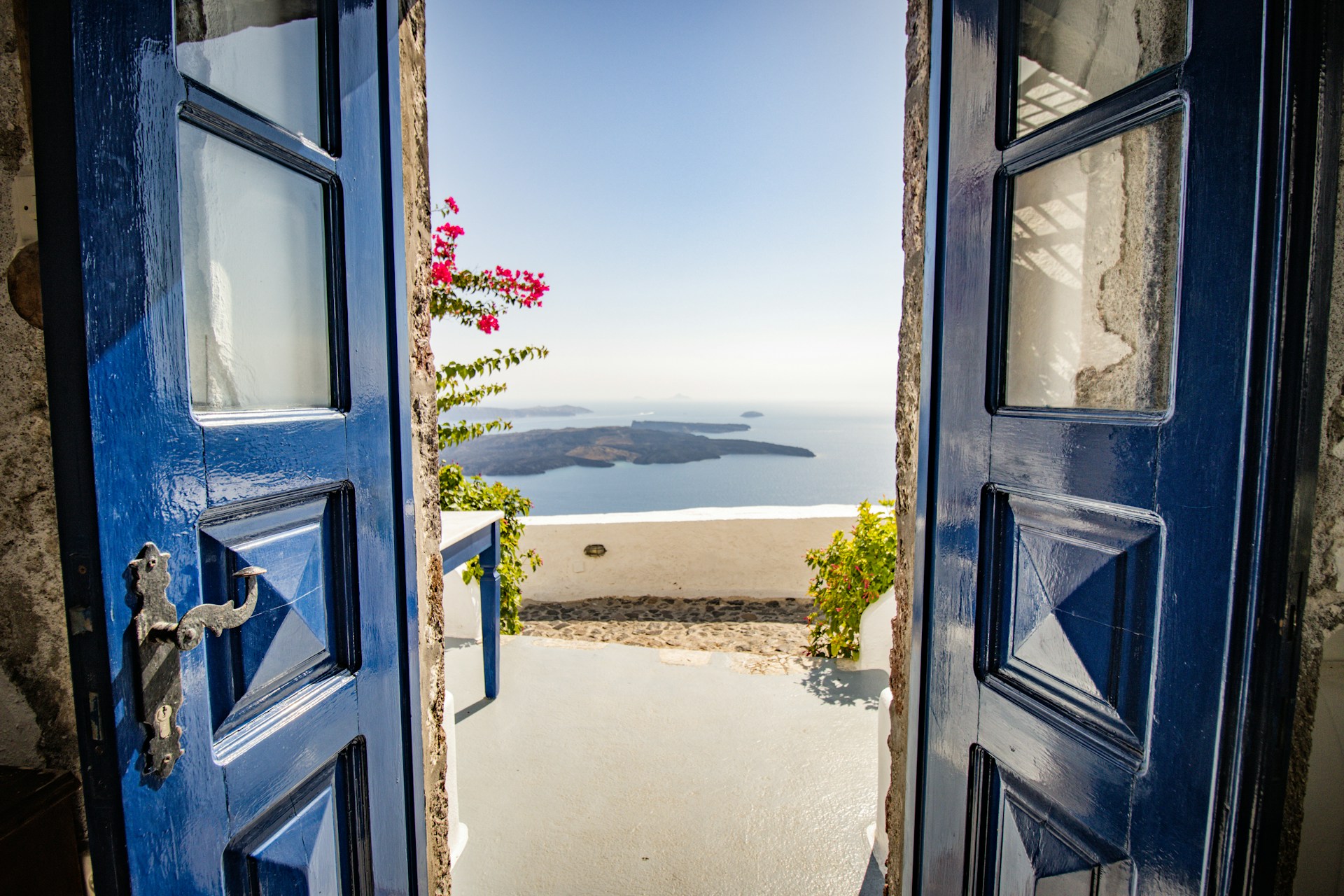
The idea arrives quietly. You’re sitting on a terrace somewhere along the Mediterranean coast, watching the light change over the water, and you think: what if this wasn’t just a holiday? What if this could actually be yours?
For many Central European buyers, that thought is no longer just a dream. Mediterranean coastal property — in Greece, Italy, or Spain — is increasingly within reach for those who know where to look, how the markets work, and what questions to ask before signing anything.
This guide is for those seriously considering the move. Not the fantasy version — the real one.
Why the Mediterranean Still Leads Global Coastal Markets
The Mediterranean coastline stretches across three continents and dozens of countries, but its European section — Greece, Italy, Spain, Croatia, Portugal — remains among the best-known coastal property markets. The reasons are structural, not just emotional.
First, there’s legal stability. All three countries covered here are EU members with transparent property registration systems, enforceable contracts, and established processes for foreign buyers. Compared to non-EU coastal markets, the risks are significantly lower.
Second, there’s demand consistency. Mediterranean coastal properties attract buyers from across the globe — Northern Europeans seeking sun, Americans drawn to lifestyle, Gulf investors diversifying portfolios, and Asian buyers chasing Golden Visa programs.
Third — and this matters most for buyers from Hungary and Central Europe — these markets are accessible. Not every Mediterranean coastal property costs a million euros. Prices differ widely between regions.
Greece: What to Know Before You Look
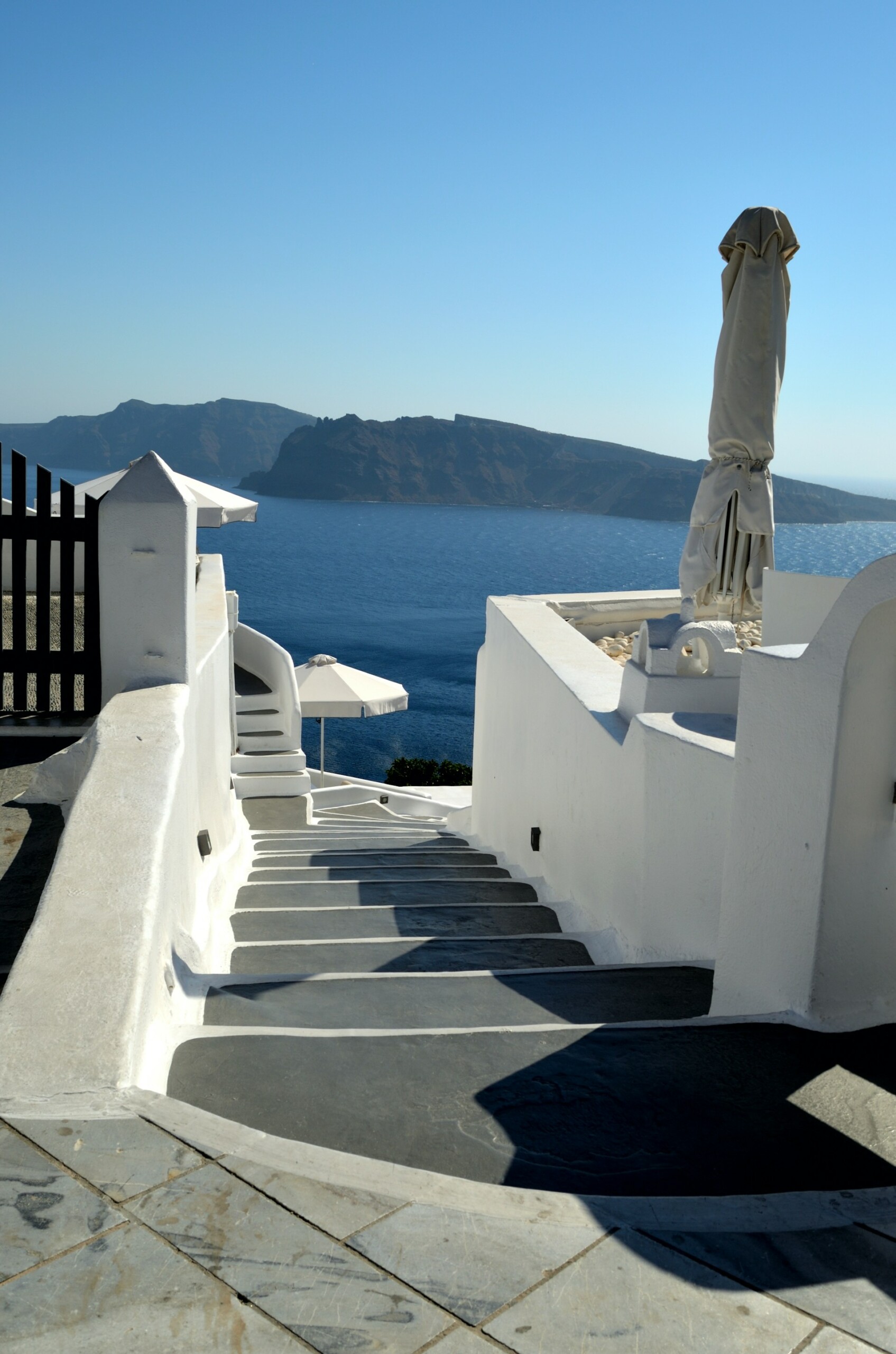
Greece has spent the last decade becoming a more visible coastal property market. After years of economic difficulty, values stabilised and then began rising. Prices differ widely between islands, the mainland coast and individual regions, so it is worth comparing several areas.
What makes Greece stand out for international buyers
Prices vary a great deal between a mainland coastal town, a smaller island and a well-known destination. Compare listings in several areas, and plan a budget that includes purchase costs.
Greece also has a Golden Visa programme that offers residency to non-EU nationals who invest in property. The investment threshold depends on the location and the type of property, and the rules can change, so check the current conditions with the official source or a lawyer. It does not directly affect Hungarian buyers, who already have EU freedom of movement.
As an EU citizen, purchasing property in Greece is straightforward. You’ll need a Greek tax number (AFM), a local bank account, and a qualified lawyer — ideally one recommended by someone with direct experience in the market. The process typically takes two to four months from offer to completion.
Where to look in Greece
Crete remains the most practical choice for year-round living — largest island, strongest infrastructure, direct flights from Budapest. The areas around Chania and Rethymno offer a good balance of authenticity and accessibility.
The Peloponnese is increasingly popular with buyers who want the Greek experience without island prices. The Mani peninsula and the area around Nafplio offer dramatic scenery and some of the most competitive prices on the mainland coast.
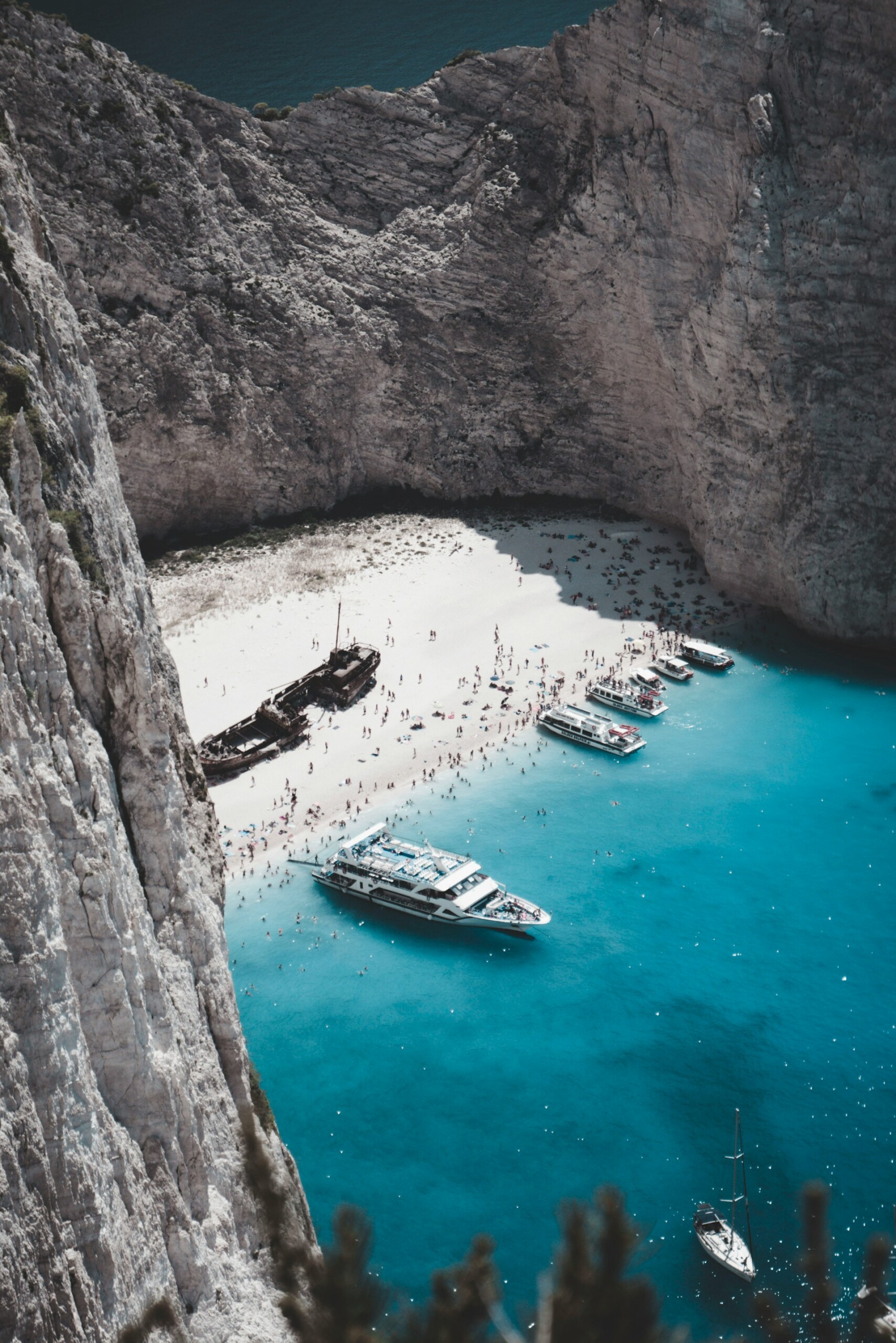
The Ionian Islands — Kefalonia, Lefkada, Zakynthos — are seeing growing interest from international buyers who’ve been priced out of the Cyclades but still want that classic Greek island feel.
Italy: Coastal Property with Cultural Weight
Italy is different. Buying a coastal property in Italy isn’t just a real estate transaction — it’s a statement about how you want to live. The culture, the food, the architecture, the pace of life: these things come with the property. For many buyers, that’s precisely the point.
Southern Italy: Puglia and the Salento Coast
The Amalfi Coast is famous and expensive. But the coastal regions just south of it — Cilento, Calabria, the Salento peninsula in Puglia — offer comparable natural beauty at a fraction of the price.
Puglia has been the story of the last decade in Italian coastal property. White limestone towns, turquoise water, genuine local culture, and prices that still make sense. Towns like Ostuni, Polignano a Mare, and the towns of the Salento coast have attracted a wave of international buyers without losing their character. Prices differ a lot from town to town, so compare several places.
Sardinia sits in a different category — it’s an island with a fiercely independent culture and some of the Mediterranean’s most spectacular coastline. Prices vary dramatically between the glamorous Costa Smeralda in the north and the quieter, more affordable southwest.
What to know about buying in Italy
The Italian purchase process is more complex than Greece or Spain, and that complexity is real — not just a bureaucratic inconvenience. Older properties in particular can carry planning irregularities, unresolved inheritance issues, or renovation restrictions that aren’t immediately visible.
This makes due diligence non-negotiable. A qualified Italian notary (notaio) is a legal requirement for property transfers, and an independent lawyer — separate from the agent — is strongly recommended. Your lawyer or notary should give you a full cost estimate before you commit.
The Italian government has introduced several incentive programs aimed at attracting foreign buyers: the flat-tax regime for new residents, the €1 house program in depopulating villages, and regional tax incentives in the south. These programs have real value for some buyers, but they come with conditions that need careful evaluation.
Spain: The Most Established Mediterranean Market
Spain is the most mature coastal property market in Europe. The legal framework is reliable, the process is well-documented, and the infrastructure — airports, hospitals, international schools, expat communities — is genuinely excellent. For buyers who want certainty over adventure, Spain is the natural choice.
Costa del Sol: premium but dependable
The Costa del Sol — roughly the stretch between Málaga and Estepona, with Marbella at its centre — is a well-known address for international buyers. The area around Marbella’s Golden Mile and the Nueva Andalucía golf valley is among its best-known parts.
For buyers with more moderate budgets, Estepona has emerged as a genuine alternative — lower prices than Marbella proper, but with improving infrastructure and a more authentic character. The emerging area of La Cala de Mijas is worth watching too.
Beyond the Costa del Sol
The Costa Blanca — centred on Alicante — has established international buyer communities in towns like Jávea, Moraira and Altea, with good connections. Compare prices town by town.
The Balearic Islands — Mallorca above all — are a separate market with their own price level and local rules. Palma de Mallorca is popular with international buyers.

What to know about buying in Spain
The Spanish purchase process is well-established and relatively buyer-friendly. You’ll need a NIE number (foreigner identification number), which your lawyer can obtain. Purchase costs are added to the agreed price. They include transfer tax (ITP), which is set by each region, as well as notary fees and legal costs.
One area to watch: short-term rental regulations have tightened significantly across popular areas. If rental income is part of your investment case, verify the current licensing situation in your target area before committing.
Practical Considerations That Apply Everywhere

Location within the location
Coastal property values are extraordinarily sensitive to precise positioning. Even a small difference in distance from the water can mean a noticeable difference in value. First-line properties — those with unobstructed sea views or direct beach access — hold their value differently from second-line properties, even when both are marketed as “seafront”.
Legal due diligence is non-negotiable
Every Mediterranean country has its share of properties with unresolved planning issues, informal extensions, or title complications — particularly in older stock and rural areas. Never proceed without a full title search conducted by an independent lawyer. This is not optional.
Running costs are higher than you think
A coastal property in a salt-air environment requires more maintenance than an equivalent inland property. Factor in annual upkeep, local property taxes (which vary by country and municipality), community fees if applicable, and non-resident income tax if you’re not living there full time.
Currency and timing
For Hungarian buyers, euro-denominated purchases involve currency risk. Exchange rate movements between the forint and euro can meaningfully affect the effective cost of a purchase. Working with a currency specialist alongside your property lawyer is worth considering for larger transactions.
How We Help With Mediterranean Property Search
At horvatingatlanok.com, we work with local partners across Greece, Italy, and Spain — people who know these markets from the inside, not just from listings. When you come to us with your requirements, we don’t send you a generic search result. We work with you to identify the right location, the right type of property, and the right price range — and then we help you navigate the purchase process in a language you understand.
The process is discreet, personal, and comprehensive: from the initial search through to the transfer of ownership.
Which Mediterranean Country Is Right for You?
If you want to compare islands and the mainland coast → Greece, particularly the mainland coast and the less well-known islands.
If lifestyle and culture matter as much as the sea → Italy, particularly Puglia and Sardinia.
If you want the most established market with the strongest infrastructure → Spain, particularly the Costa del Sol and Costa Blanca.
Whichever direction you’re considering, the Mediterranean coastal property market rewards buyers who do their research, work with the right people, and take a long-term view. If you’d like to discuss your specific situation, get in touch — we’re happy to help you think it through.
Frequently Asked Questions
Can Hungarian citizens buy coastal property in Greece, Italy, or Spain?
Yes. As EU citizens, Hungarians have the same property purchase rights as local nationals in all three countries. There are no special restrictions for EU buyers in Greece, Italy, or Spain, with the exception of a small number of militarily sensitive border zones in Greece.
What are the total purchase costs in each country?
Budget for transfer taxes, notary fees, legal costs and registration fees on top of the purchase price. The exact amount varies by country and region, so your lawyer should provide a full cost estimate before you commit.
Do I need to be present in person to buy?
Not necessarily — purchases can be completed by power of attorney in all three countries. However, visiting the property and the area in person before committing is strongly recommended. What looks good in photographs and what works for your life are often different things.
Is rental income from a Mediterranean coastal property realistic?
Seasonal rental yields in popular coastal areas can be strong — particularly in Greece and the Spanish islands. However, short-term rental regulations have tightened in many areas, and licensing requirements vary significantly. Always verify the current regulatory situation before factoring rental income into your investment calculation.
How long does the purchase process typically take?
In Greece, expect two to four months from offer to completion. In Spain, the process is typically faster — six to eight weeks is realistic with a motivated seller and organised documentation. Italy tends to be slower, often three to six months, particularly for older properties with complex title histories.
What is the best time to buy Mediterranean coastal property?
There is no universally correct answer. The best time is when your financial situation, personal circumstances, and the market conditions in your target area align. Take the time to check the legal and financial side before you commit.



Join The Discussion